Understanding hot chili pepper lets you unlock new flavors safely. Learn to identify varieties by heat level, flavor profile, and the dishes they enhance.
What Is a Hot Chili Pepper?
A hot chili pepper is a type of chili that delivers a strong and clearly noticeable spicy heat, significantly hotter than mild and medium chili peppers.
Based on the Scoville Heat Unit (SHU) scale, hot chili peppers are generally defined within the following range:
30,000–100,000 SHU
Note: Heat classifications may vary slightly across sources. Some varieties may overlap with upper-medium or lower extra-hot ranges depending on growing conditions and maturity.
Hot Chili Pepper Heat Level (SHU Explained)
The Scoville Heat Unit (SHU) measures the concentration of capsaicin, the compound responsible for chili heat.
To better understand where hot chili peppers fit, here is a simplified comparison across chili heat levels:
- Mild chili peppers: 0–1,500 SHU
- Medium chili peppers: 1,500–30,000 SHU
- Hot chili peppers: 30,000–100,000 SHU
- Extra-hot chili peppers: 100,000–350,000 SHU
- Super-hot chili peppers: 350,000+ SHU
Hot chili peppers represent the point where spiciness becomes intense rather than subtle.
Characteristics of Hot Chili Peppers
Hot chili peppers share several common traits that distinguish them from milder varieties:
- Strong, immediate heat that builds quickly
- Higher capsaicin concentration
- Often used in smaller quantities
- Frequently balanced with fats, acids, or sweetness in recipes
Despite their heat, many hot chili peppers still offer complex flavors beyond spiciness.
Common Types of Hot Chili Peppers
Below are some widely recognized hot chili pepper varieties, including their typical heat levels,flavor profile and culinary uses.
Dundicut Pepper
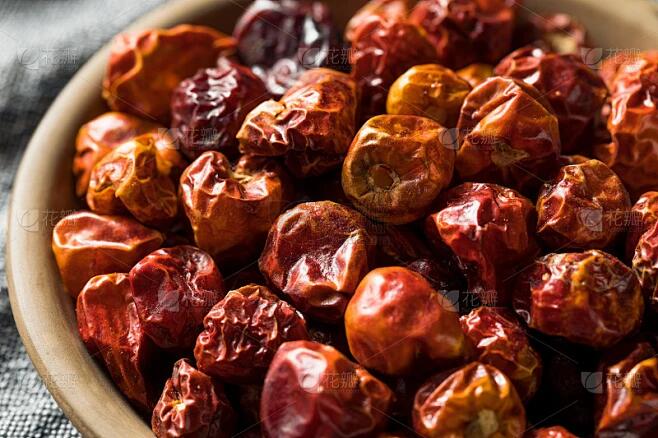
Dundicut peppers originate from India and are commonly used in dried and powdered form.
They provide a clean, direct heat with minimal sweetness, making them ideal for spice blends and curries.
Heat level: ~40,000–60,000 SHU
Common uses:
- Indian curry powders
- Dry spice rubs
- Chili flakes
Tien Tsin Pepper
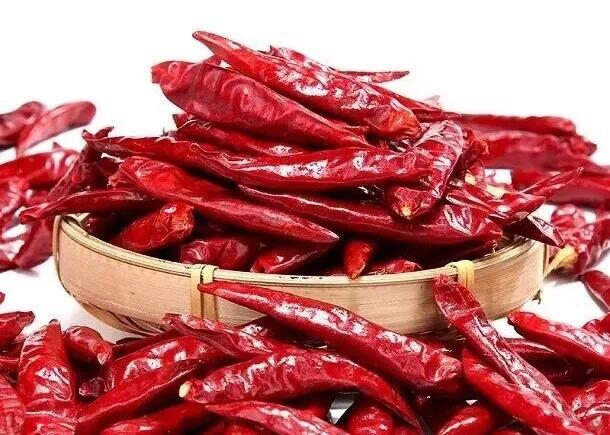
Tien Tsin peppers are a classic ingredient in Chinese cuisine, especially in northern dishes.
When dried, they produce a sharp, smoky heat rather than overpowering burn.
Heat level: ~50,000–75,000 SHU
Common uses:
- Stir-fries
- Chili oil
- Sichuan-style dishes (as a supporting heat source)
Prairie Fire Pepper
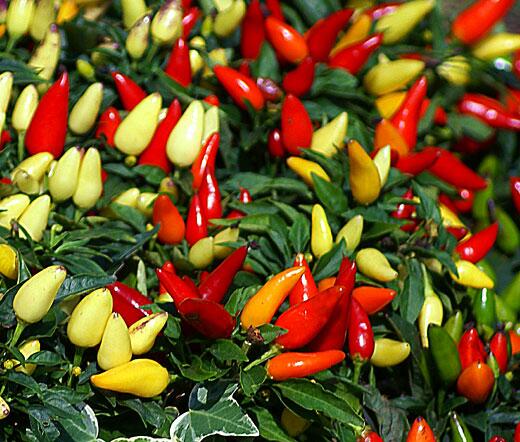
Prairie Fire peppers are compact, ornamental peppers known for their upright growth and intense heat.
Despite their small size, they deliver a surprisingly strong punch.
Heat level: ~50,000–70,000 SHU
Common uses:
- Decorative cooking peppers
- Pickling
- Spicy sauces
Byadgi Chili
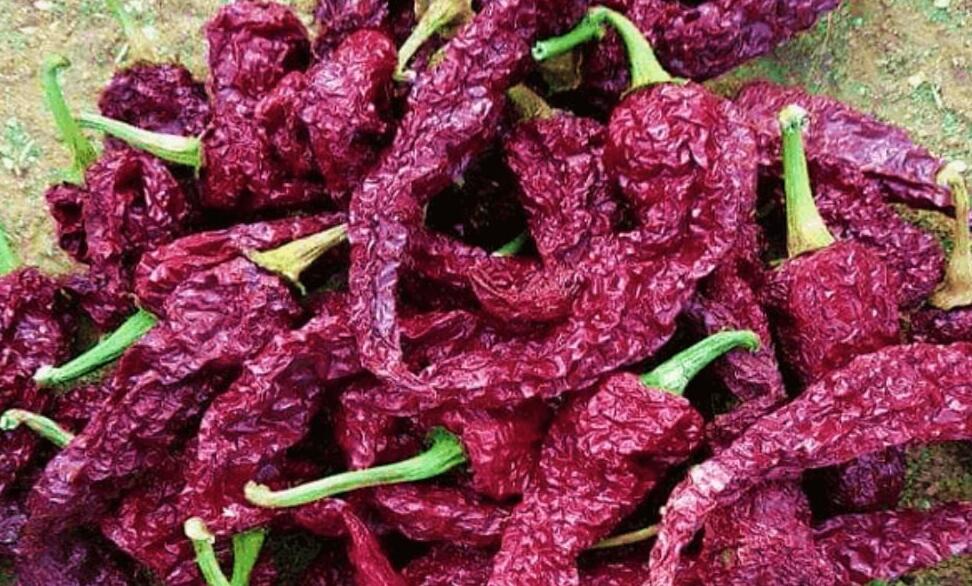
Byadgi chilies are prized more for their deep red color and aroma than extreme heat.
They are widely used in South Indian cooking to enhance visual appeal while adding moderate spiciness.
Heat level: ~30,000–50,000 SHU
Common uses:
- Chili powders
- Masala blends
- Color-rich sauces
Thai Pepper
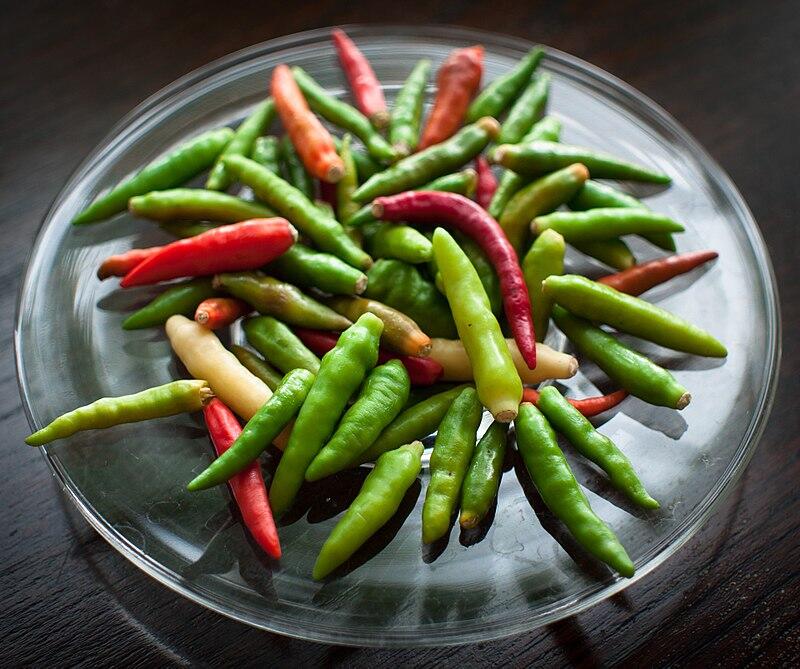
Thai peppers (often called bird’s eye chilies) are small but extremely potent.
They deliver fast, sharp heat and are essential to Southeast Asian cuisines.
Heat level: ~50,000–100,000 SHU
Common uses:
- Thai curries
- Chili pastes
- Fresh garnishes
Peri-Peri Pepper
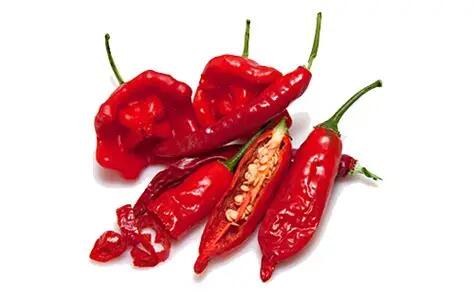
Peri-Peri peppers are closely associated with African and Portuguese cuisines.
They combine strong heat with a slightly citrusy, fruity flavor.
Heat level: ~50,000–100,000 SHU
Common uses:
- Peri-peri sauce
- Marinades
- Grilled meats
Hot Chili Peppers Comparision Table
The table below compares popular hot chili peppers by heat level, flavor profile, and common uses.
| Pepper Name | SHU Range | Flavor Profile | Common Uses |
|---|---|---|---|
| Dundicut Pepper | 40,000–60,000 | Smoky, earthy | Indian curries, chili powders |
| Tien Tsin Pepper | 50,000–75,000 | Sharp, pungent | Chinese stir-fries, dried peppers |
| Prairie Fire Pepper | 50,000–100,000 | Bright, clean heat | Garnishes, sauces |
| Byadgi Chili | 10,000–25,000 | Mild heat, rich color | Indian spice blends |
| Thai Pepper | 50,000–100,000 | Fast, intense heat | Thai curries, sauces |
| Peri-Peri Pepper | 50,000–175,000 | Citrusy, fiery | Marinades, grilled meats |
How Hot Chili Peppers Are Commonly Used
Hot chili peppers are versatile and appear in many forms:
- Fresh: finely chopped for immediate heat
- Dried: whole or crushed for controlled spiciness
- Powdered: blended into spice mixes
- Sauces & pastes: fermented or cooked for depth
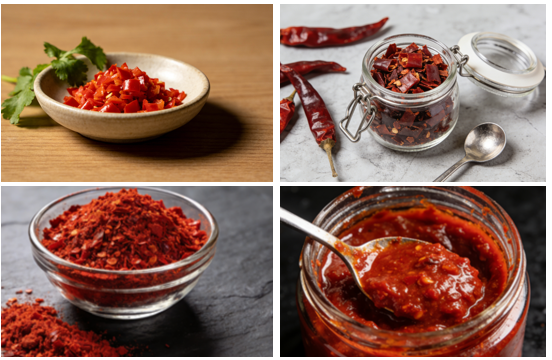
They are often used in small quantities, where heat acts as an enhancer rather than the main feature.
Cooking Tips for Hot Chili Peppers
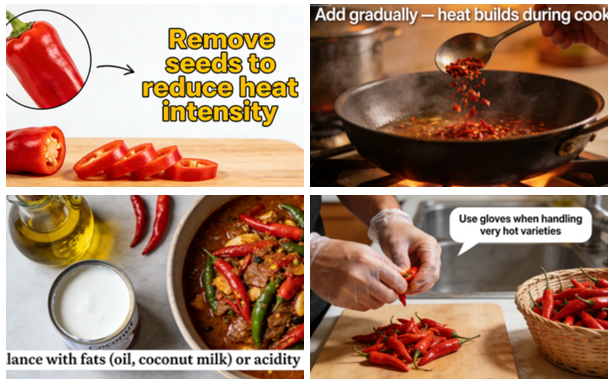
- Remove seeds to reduce heat intensity
- Add gradually — heat builds during cooking
- Balance with fats (oil, coconut milk) or acidity
- Use gloves when handling very hot varieties
Common Mistakes When Choosing Hot Chili Peppers
Judging heat by size or color
Many people assume that smaller or darker peppers are always hotter. In reality, pepper heat is determined by the variety, not appearance.
How to avoid this mistake:
- Always check the Scoville Heat Unit (SHU) range of the pepper variety
- Use appearance only as a secondary reference, not a deciding factor
- When trying a new pepper, start with a small amount and adjust gradually
Ignoring SHU ranges
Different hot chili peppers can vary widely in heat, even within the same general category.
How to avoid this mistake:
- Compare peppers using a heat level table rather than relying on names alone
- Avoid substituting one hot pepper for another without checking SHU ranges
- When in doubt, choose a pepper with a lower SHU within the hot category
Using hot peppers as direct substitutes
Not all hot chili peppers can be used interchangeably. Some are hotter, while others have very different flavor profiles.
How to avoid this mistake:
- Match both heat level and flavor profile when selecting substitutes
- Reduce quantity if substituting a hotter pepper
- Consider removing seeds and membranes to control heat intensity
How to Select and Store Hot Chili Peppers
How to Select Hot Chili Peppers
- Choose peppers with firm skin and vibrant color
- Avoid peppers with soft spots or wrinkles
- For dried peppers, ensure they are aromatic and not brittle
How to Store Hot Chili Peppers
- Fresh peppers: Store in the refrigerator for up to 1–2 weeks
- Dried peppers: Keep in an airtight container away from heat and light
- Frozen peppers: Can be stored for several months after washing and drying
Health Benefits and Risks of Hot Chili Peppers
Potential Health Benefits
- Capsaicin may support metabolism and circulation
- Rich in vitamin C and antioxidants
- May help stimulate appetite and digestion in moderate amounts
Possible Health Risks
- Excessive consumption may irritate the stomach and digestive tract
- Can trigger acid reflux or gastrointestinal discomfort in sensitive individuals
- Not recommended for people with certain digestive conditions
Moderation Is Key
Hot chili peppers can be part of a healthy diet when consumed in appropriate amounts, but they should be avoided or limited by individuals sensitive to spicy foods.
FAQ About Hot Chili Peppers
Hot chili peppers are generally defined as peppers with a Scoville Heat Unit (SHU) range of approximately 30,000 to 100,000. They are noticeably spicier than mild and medium peppers but are still commonly used in everyday cooking.
Hot chili peppers contain beneficial compounds such as capsaicin and vitamin C, which may support metabolism and circulation. However, excessive consumption can cause digestive discomfort, especially for people sensitive to spicy foods. Moderation is recommended.
People with stomach ulcers, acid reflux, or sensitive digestive systems may experience irritation from hot chili peppers and should limit or avoid their consumption.