Medium chili peppers provide a balanced, noticeable heat that enhances dishes without overwhelming flavor. They are versatile for everyday cooking, sauces, salsas, and stir-fries
SHU Definition: What is a Scoville Heat Unit?
The Scoville Heat Unit (SHU) measures the spiciness of chili peppers based on the concentration of capsaicinoids, the chemical compounds responsible for heat. A higher SHU indicates a hotter pepper.
- Mild: 0–1,500 SHU → very little heat
- Medium: 1,500–30,000 SHU → noticeable but balanced heat
- Hot: 30,000–100,000 SHU → strong heat
- Extra-hot: 100,000–350,000 SHU → very intense heat
- Super-hot: 350,000+ SHU → extreme heat
Medium chili peppers (1,500–30,000 SHU) provide a clear, enjoyable heat suitable for most dishes without overwhelming the flavor.
Popular Medium Chili Pepper Varieties
Below are commonly used medium chili peppers. Each entry includes heat level, origin, flavor description, and common uses.
Purple Jalapeño Pepper
Heat level: ~2,500–8,000 SHU
Origin & Form: Mexico, commonly fresh
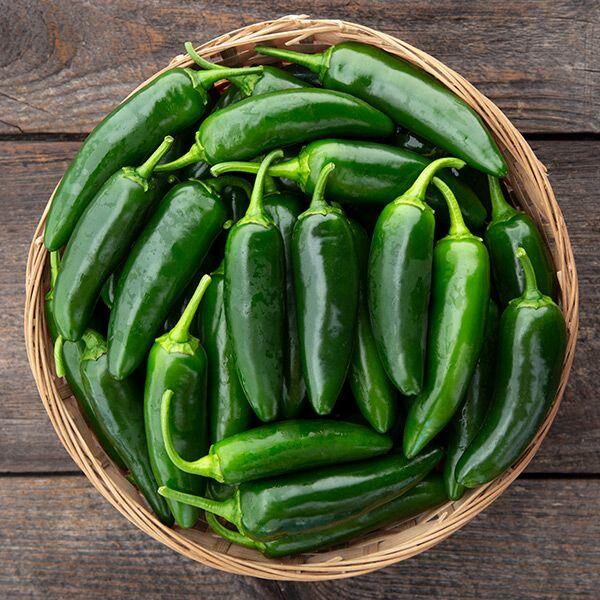
Jalapeños provide a fresh, grassy flavor with slight sweetness, especially when green.
Red jalapeños develop more sweetness and subtle smokiness, making them versatile for medium-heat dishes.
Common uses: Salsas, stuffed peppers, pickled peppers, tacos, nachos
Fresno Pepper
Heat level: ~2,500–10,000 SHU
Origin & Form: USA, fresh or dried
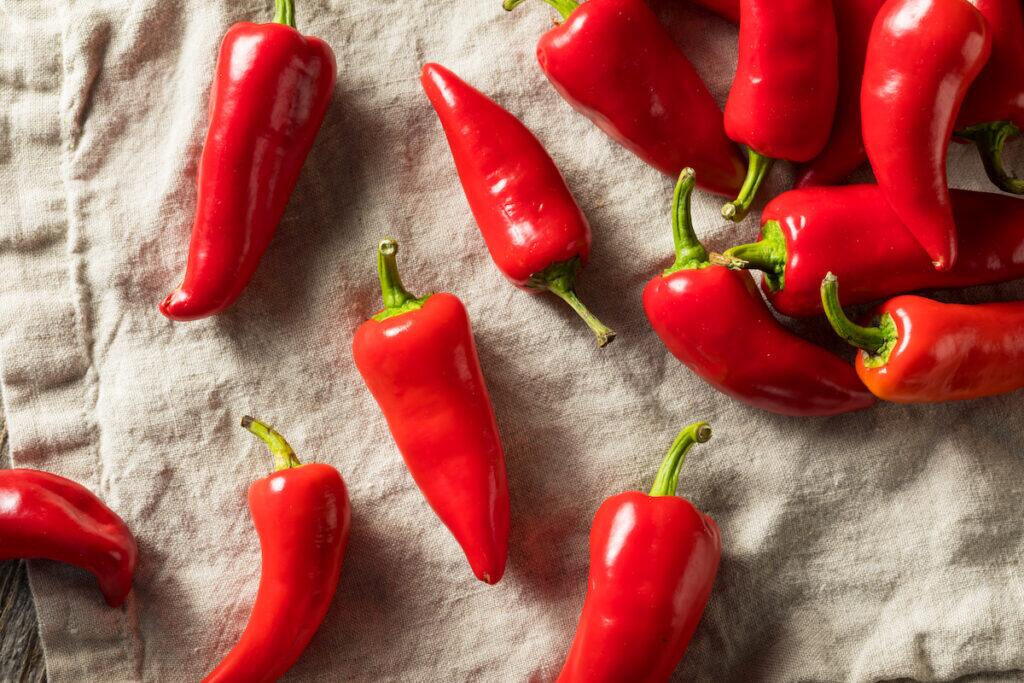
Fresno peppers offer a brighter, slightly fruity heat than jalapeños.
Their fresh, slightly sharp flavor makes them ideal for sauces and dishes where a clear pepper presence is desired.
Common uses: Fresh salsa, hot sauces, stir-fries, grilled vegetables
Serrano Pepper
Heat level: ~10,000–23,000 SHU
Origin & Form: Mexico, usually fresh
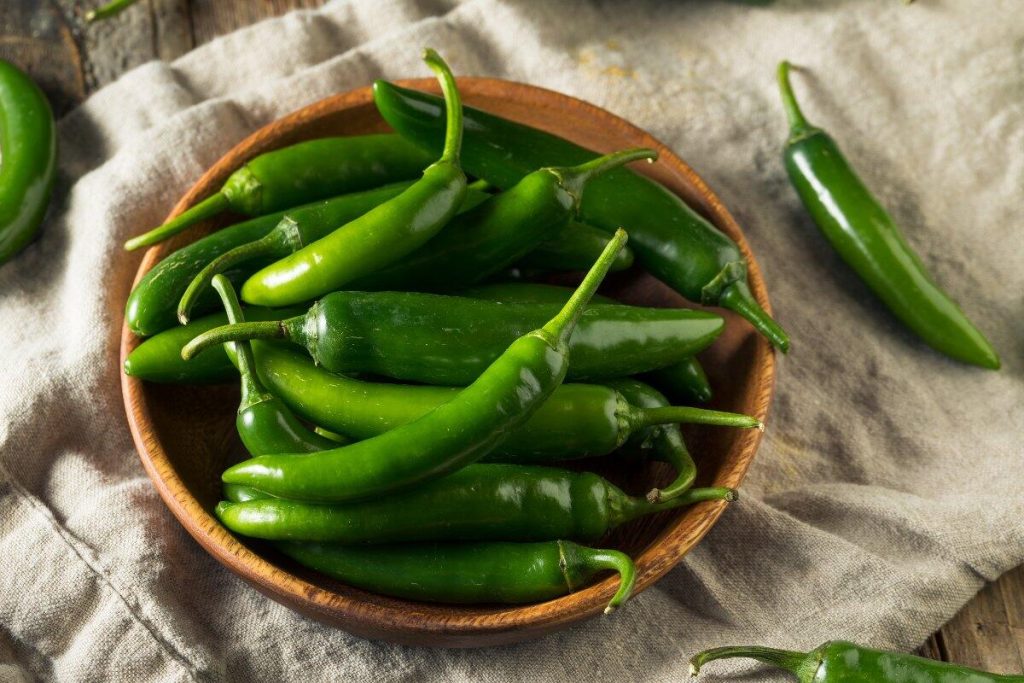
Serrano peppers provide a clean, sharp heat that builds quickly but remains balanced.
They have minimal sweetness, making them ideal when a noticeable but controlled kick is desired.
Common uses: Salsas, guacamole, chili pastes, sauces
Hungarian Wax Pepper
Heat level: ~5,000–15,000 SHU
Origin & Form: Hungary, fresh
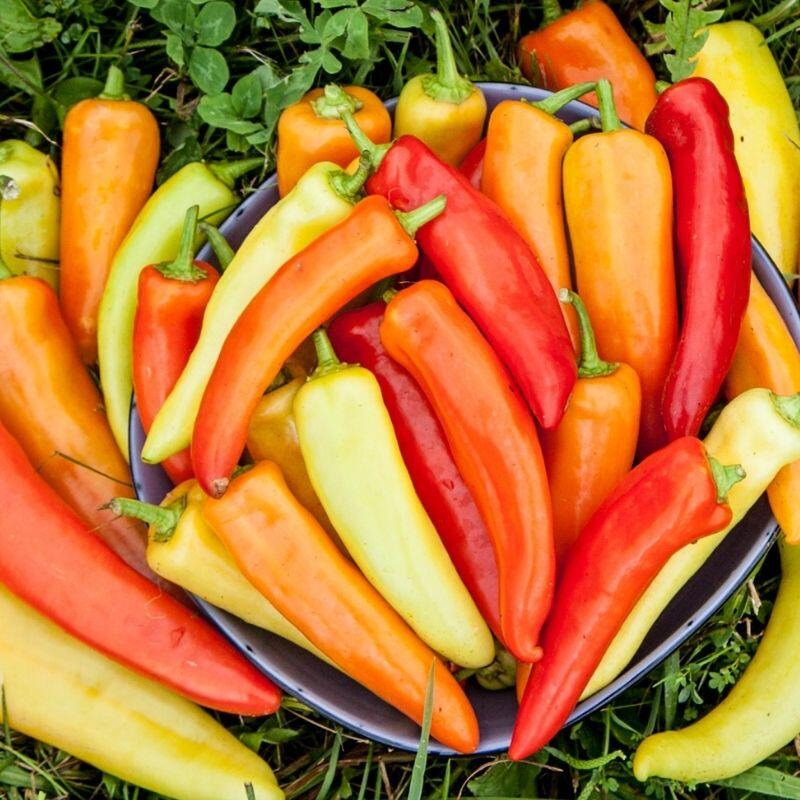
Hungarian wax peppers provide a smooth, slightly tangy heat.
Moderate intensity makes them great for pickling, stuffing, or roasting.
Common uses: Pickling, stuffed dishes, roasted vegetables, traditional European recipes
Santa Fe Grande Pepper
Heat level: ~5,000–15,000 SHU
Origin & Form: USA/Mexico, fresh
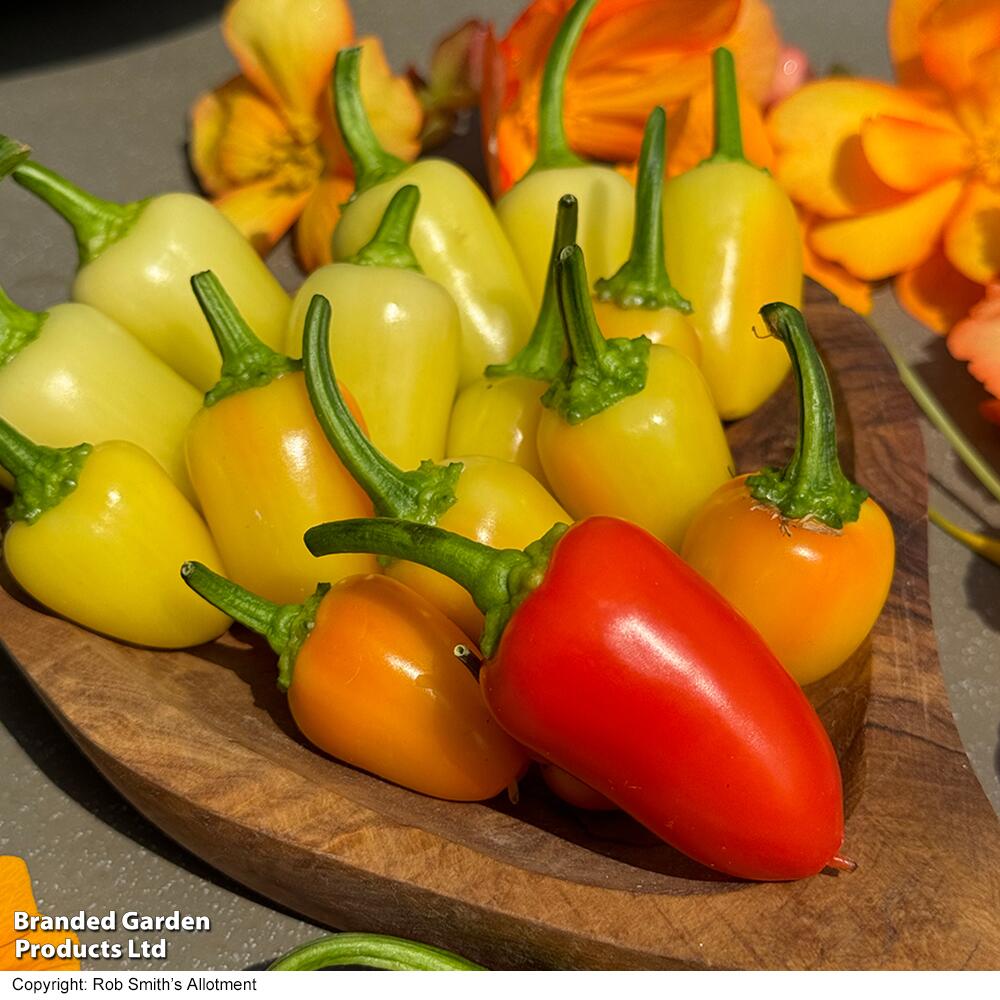
Santa Fe Grande peppers have a mild-to-moderate heat with a subtly sweet, earthy flavor.
They are suitable for Tex-Mex dishes and gently spiced recipes.
Common uses: Salsas, relishes, pickled peppers, pizza and sandwich toppings
Anaheim Pepper
Heat level: ~1,500–5,000 SHU
Origin & Form: New Mexico, fresh
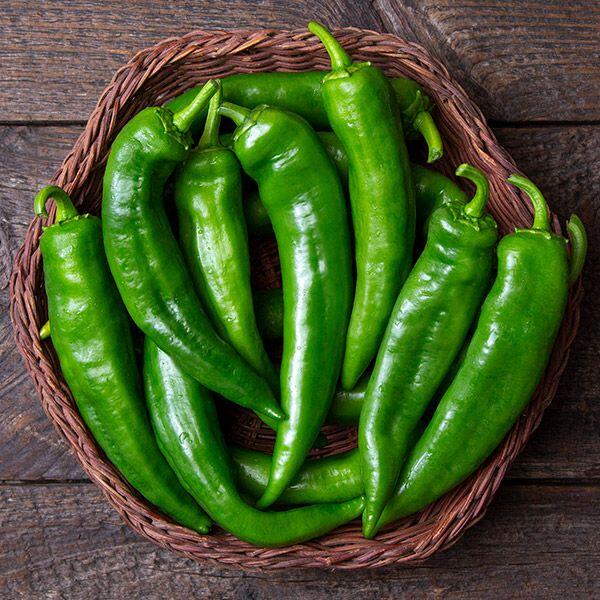
Anaheim peppers deliver gentle heat and earthy flavor.
They are excellent for roasting, stuffing, and mild chili sauces, sitting at the lower end of the medium category.
Common uses: Roasting, stuffing, chili verde, casseroles, baked dishes
Medium Chili Pepper Comparison Table
| Pepper Variety | SHU Range | Flavor Description | Common Uses |
|---|---|---|---|
| Jalapeño | 2,500–8,000 | Fresh, grassy, slightly sweet | Salsas, stuffed, pickled |
| Fresno | 2,500–10,000 | Bright, fruity, slightly sharp | Sauces, stir-fries, grilled |
| Serrano | 10,000–23,000 | Clean, sharp, minimal sweetness | Salsas, pastes, guacamole |
| Hungarian Wax | 5,000–15,000 | Tangy, smooth | Pickling, roasting, stuffed |
| Santa Fe Grande | 5,000–15,000 | Mildly sweet, earthy | Salsas, relishes, toppings |
| Anaheim | 1,500–5,000 | Mild, earthy | Roasting, stuffing, chili verde |
How to Use Medium Chili Peppers
- Cooking timing: Add early for mellow heat, or late for bright, sharp spice.
- Heat control: Remove seeds/membranes for milder flavor; leave them in for stronger heat.
- Fresh vs cooked: Fresh peppers are ideal for salsas, salads, or garnishes. Cooked peppers release deeper flavor for sauces, stews, and stir-fries.
- Quantity guidance: Start small, taste, then gradually add. Medium peppers can vary widely in SHU.
- Pairing: Combine with acids (lime, vinegar, tomatoes) or fats (oil, cheese) to balance heat and flavor.
How to Select and Store Medium Chili Peppers
- Selection: Choose firm, brightly colored peppers without blemishes or wrinkles.
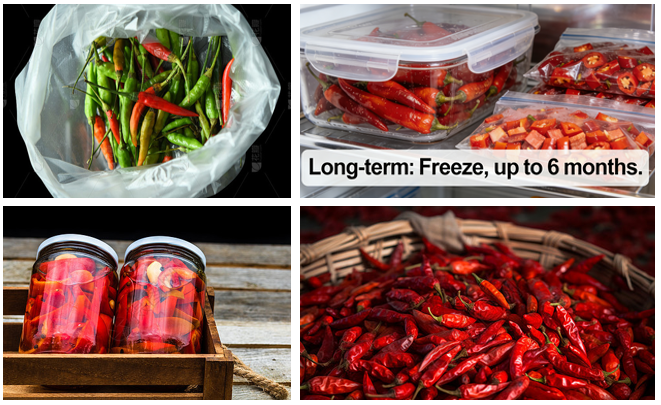
- Short-term storage: Refrigerate in a breathable bag for 1–2 weeks.
- Long-term storage: Freeze chopped or whole peppers in airtight containers for up to 6 months.
- Pickling: Preserves flavor and extends shelf life.
- Drying: Ideal for sauces, powders, or spice blends.
- Handling: Wear gloves for hotter medium peppers (e.g., Serrano). Wash hands after contact.
Common Mistakes When Using Medium Chili Peppers
1. Ignoring Cooking Time
Why this is a problem:
Adding peppers too early or too late changes heat distribution and flavor intensity.
How to avoid it:
- Add peppers at the appropriate stage of cooking
- Experiment with adding small pieces at the end for fresh, bright flavor
- For sauces and stews, add whole peppers early, chopped later
2. Not Adjusting Membranes/Seeds
Why this is a problem:
Most heat comes from inner membranes and seeds. Leaving them in or removing inconsistently can produce unpredictable spiciness.
How to avoid it:
- Leave intact for maximum medium heat
- Decide on desired heat intensity before cooking
- Remove membranes/seeds for milder dishes
3. Relying on Size or Color
Why this is a problem:
Size and color are not reliable indicators of heat. A small red pepper isn’t automatically hotter than a large green one.
How to avoid it:
- Pair peppers with complementary ingredients to balance flavor
- Use SHU ranges to guide heat
- Taste a small piece before adding more
4. Expecting Medium Peppers to “Fix” a Bland Dish
Why this is a problem:
Medium chili peppers add heat, not balance. Used incorrectly, they can highlight weaknesses rather than improve flavor.
How to avoid it:
- Use peppers as part of a complete flavor system, not a last-minute fix
- Combine with fat (oil, cheese) to soften heat
- Balance with acid (vinegar, citrus)
Frequently Asked Questions
Consider both the heat level (SHU) and flavor profile. For mild, earthy heat, use Anaheim or Jalapeño. For brighter or sharper heat, try Fresno or Serrano. Always taste a small piece first and adjust quantity gradually.
Substituting is possible but requires care. Check the SHU range and flavor profile, reduce quantity if using a hotter variety, and consider removing seeds/membranes to control heat. Some peppers may change the dish’s flavor more than others.
Yes. Avoid assuming all medium peppers have the same heat, relying on size or color, adding too much at once, or expecting them to fix a bland dish. Always check SHU ranges, adjust seeds/membranes, and integrate peppers into the overall flavor balance.