Understanding mild chili pepper lets you unlock new flavors safely. Learn to identify varieties by heat level, flavor profile, and the dishes they enhance.
What Are Mild Chili Peppers?
Definition: What makes a chili “mild”
Mild chili peppers have a genetic trait that limits capsaicin production, the source of spiciness. This causes them to develop minimal heat. Instead, their flavor develops a natural sweetness and juiciness.
Scoville Heat Units (SHU): Exact Range for Mild Peppers
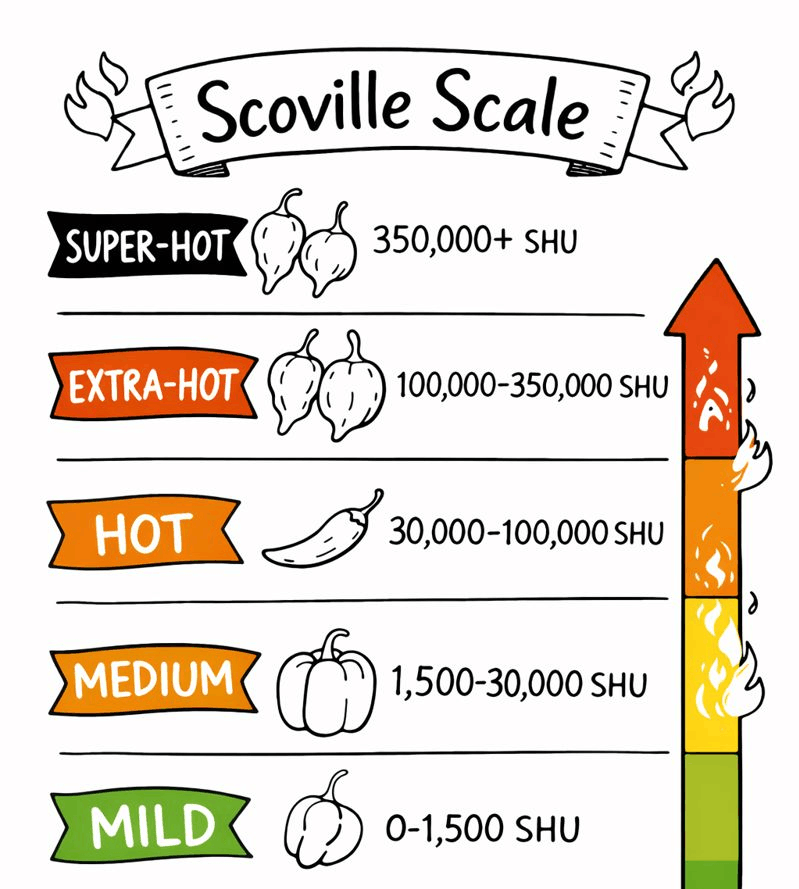
Scoville Heat Units (SHU) are the standard measure of a pepper’s pungency, quantified by the degree of dilution required for its heat to become imperceptible. The scale ranges from zero SHU for sweet bell peppers to over 2 million SHU.
Peppers are commonly classified by their SHU range: mild (0–1,500 SHU), medium (1,500–30,000 SHU), hot (30,000–100,000 SHU), extra-hot (100,000–350,000 SHU), and super-hot (350,000+ SHU).
Heat-Based Classification of Mild Chili Peppers
Mild chili peppers are commonly classified by their low Scoville Heat Unit (SHU) range, typically spanning from 0 to 1,500 SHU. This category includes both completely non-spicy peppers and peppers with gentle, noticeable warmth.
Very Mild Chili Peppers (0–500 SHU)
Heat Characteristics
Very mild chili peppers have little to no noticeable heat. For most people, they provide only a subtle warmth or no spiciness at all.
This category is ideal for:
- People who are sensitive to spicy food
- Children or spice beginners
- Dishes where flavor matters more than heat
Common Culinary Uses:
- Ingredients in fresh salads and mild salsas
- Peppers for stuffing, roasting, or pickling
They add aroma, texture, and sweetness without overwhelming a dish.
Several popular chili pepper varieties fall into this very mild heat range, which are introduced in the varieties section below.
Mild Chili Peppers (500–1,500 SHU)
Heat characteristics
Peppers in this category have a clearly noticeable but gentle heat that enhances flavor without causing discomfort.
Mild chili peppers in this range are usually:
- Less sharp and less lingering in heat
- More balanced between flavor and spiciness
Most people can enjoy this level of heat comfortably, even in larger portions.
Common culinary uses:
- Everyday cooking such as sautéing, grilling, and baking
- Sauces, salsas, and stews that need warmth rather than fire
- Family-style dishes meant for a wide audience
This range is especially popular because it delivers chili flavor without overwhelming heat.
Popular Mild Chili Pepper Varieties
Heat level
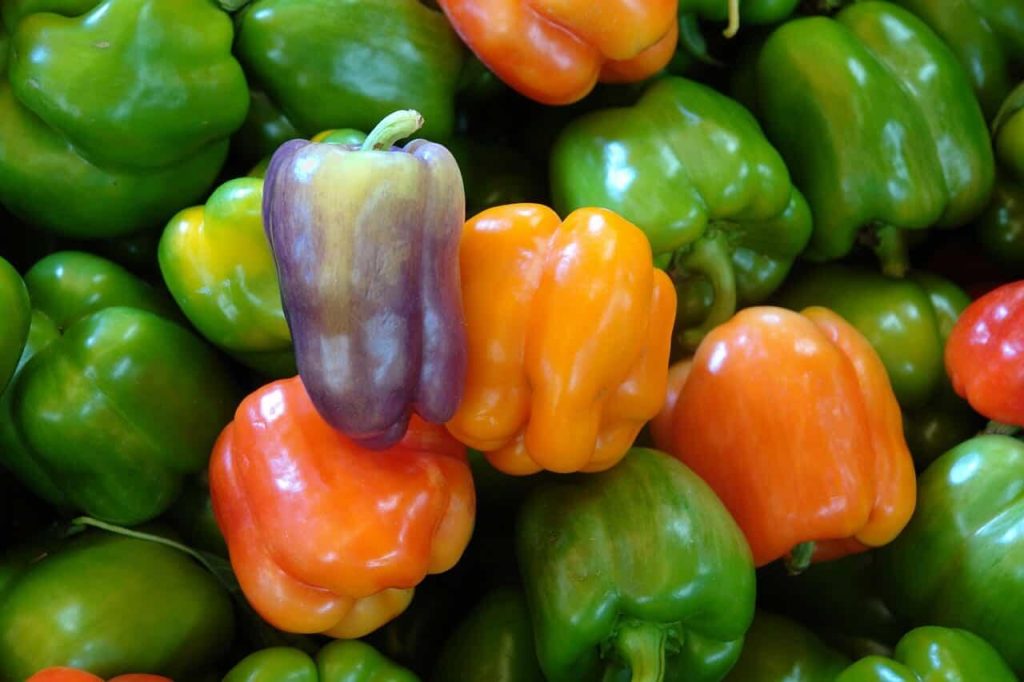
Bell peppers contain 0 Scoville Heat Units, meaning they have no heat at all. They are commonly used as a baseline when comparing the spiciness of mild chili peppers.
Flavor profile
Bell peppers have a bright, sweet flavor with a crisp texture. Flavor intensity varies by color, with red and yellow bell peppers generally sweeter than green ones.
Common culinary uses
Bell peppers are widely used in:
- Stuffed and roasted dishes
- Stir-fries, salads, and raw preparations
- Sauces and mild recipes where no heat is desired
Because of their lack of spiciness, they are often used as substitutes for mild chili peppers.
Heat level
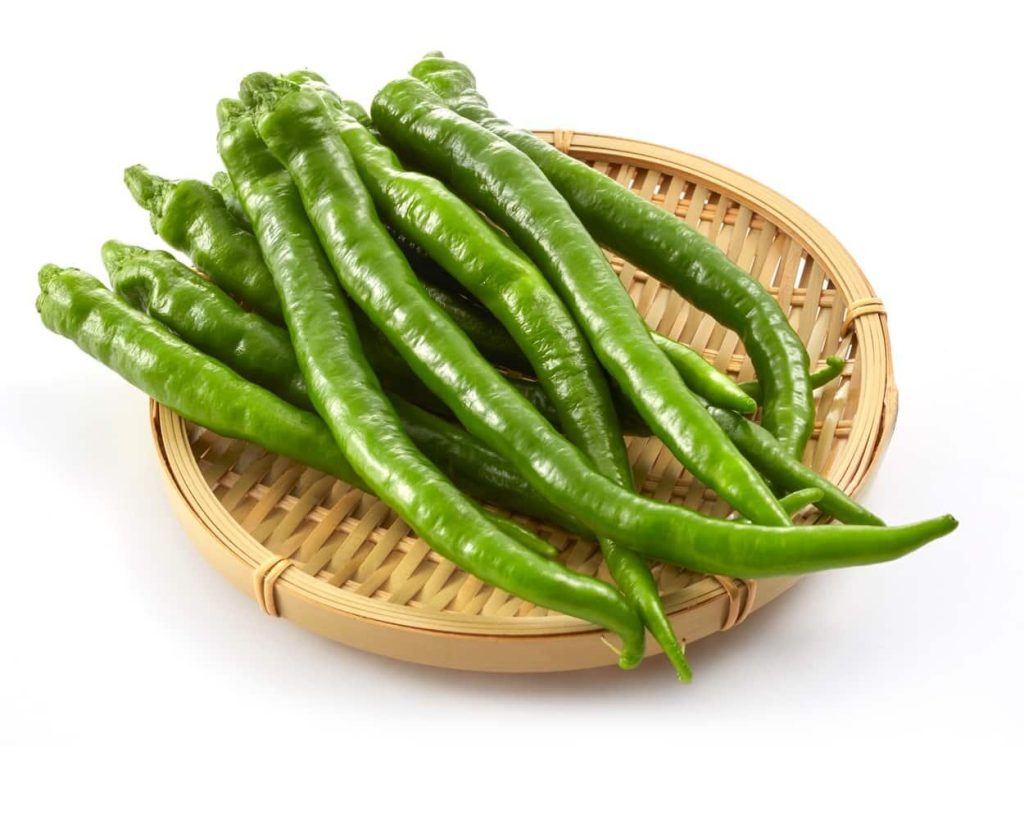
Fushimi peppers are typically heatless or extremely mild, usually registering at 0 SHU. They are considered one of the mildest chili peppers available.
Flavor profile
They have a light, sweet flavor with a tender texture. The taste is delicate rather than bold, making them suitable for simple preparations.
Common culinary uses
Fushimi peppers are commonly:
- Lightly sautéed or pan-fried
- Used in Japanese-style dishes
- Served whole as a mild side dish or appetizer
Their gentle flavor makes them ideal for diners who prefer no heat.
Heat level
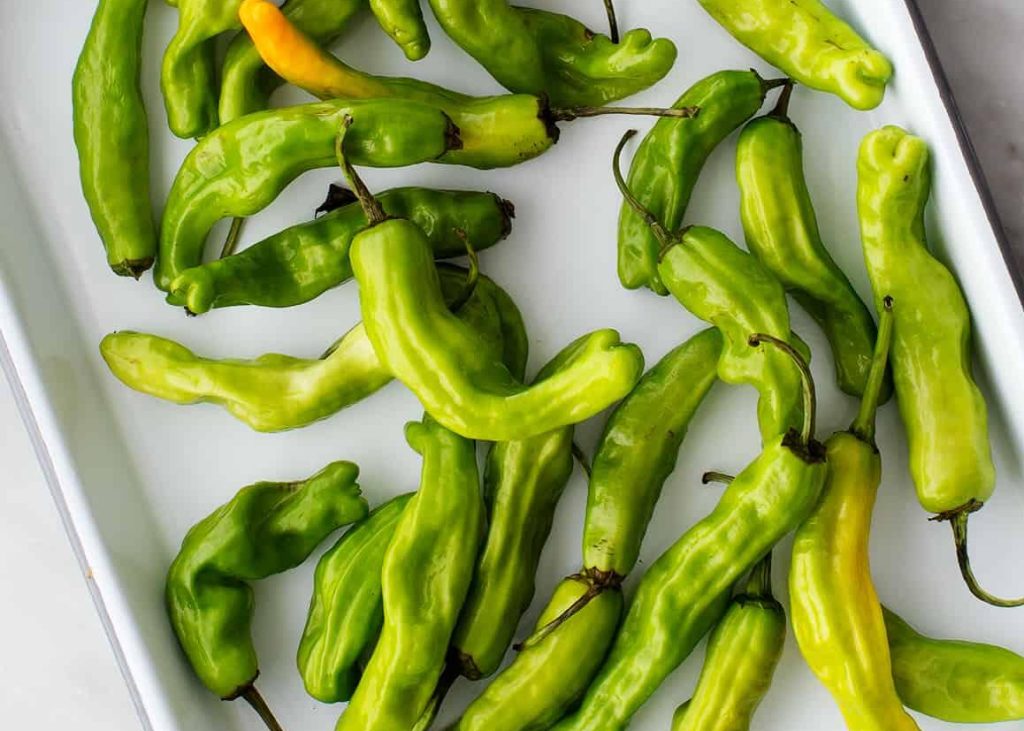
Shishito peppers are generally mild, ranging from 50 to 200 SHU, though an occasional pepper may be noticeably hotter. Most, however, remain comfortably mild.
Flavor profile
They offer a sweet, grassy flavor with subtle citrus and smoky notes, especially when blistered or grilled.
Common culinary uses
Shishito peppers are often:
- Pan-fried or blistered and served whole
- Lightly seasoned as appetizers
- Used in dishes where mild heat adds interest without overpowering flavor
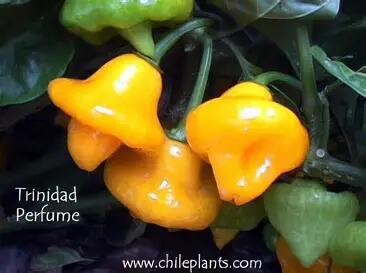
Heat level
Trinidad Perfume peppers fall within the very mild range, typically measuring between 0 and 500 SHU. Despite their appearance, they deliver little to no heat.
Flavor profile
They are known for a sweet, fruity, and citrusy flavor with tropical notes, resembling the aroma of much hotter habanero-type peppers without the burn.
Common culinary uses
Trinidad Perfume peppers are commonly used in:
Recipes seeking chili flavor without spiciness
- Caribbean-inspired dishes
- Salsas and sauces where aroma matters more than heat
- Recipes seeking chili flavor without spiciness
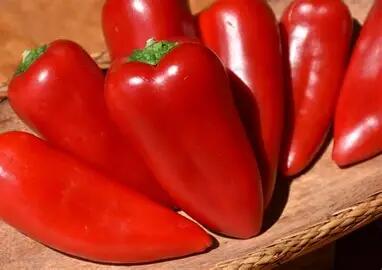
Heat level
Mariachi peppers typically range from 500 to 600 SHU, placing them at the lower end of the mild chili pepper spectrum.
Flavor profile
They have a sweet, clean flavor with very mild warmth, making them approachable for most spice levels.
Common culinary uses
Mariachi peppers are often used for:
- Fresh salsas
- Light cooking and roasting
- Mild Mexican-style dishes
They are sometimes compared to jalapeños, but with significantly less heat.
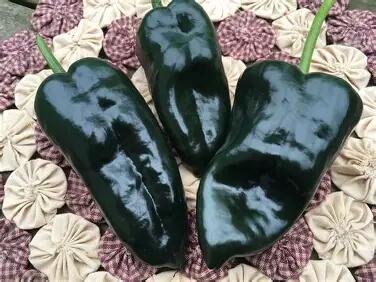
Heat level
Ancho peppers, the dried form of poblano peppers, range from 1,000 to 1,500 SHU, making them mild with a gentle warmth.
Flavor profile
They are valued for a sweet, smoky, and earthy flavor, with notes of dried fruit such as raisin or plum.
Common culinary uses
Ancho peppers are widely used in:
- Sauces and mole preparations
- Soups and stews
- Slow-cooked dishes that benefit from depth of flavor
Their mild heat allows them to add richness without overpowering a dish.
Mild Chili Peppers Comparison Table
The table below compares popular mild chili peppers by heat level, flavor profile, and common culinary uses.
| Pepper Name | SHU Range | Flavor Profile | Best Uses |
|---|---|---|---|
| Bell Pepper | 0 | Sweet, crisp | Stuffing, salads, stir-fries |
| Fushimi Pepper | 0 | Light, sweet | Sautéing, Japanese dishes |
| Shishito Pepper | 50–200 | Sweet, grassy, lightly smoky | Blistering, appetizers |
| Trinidad Perfume | 0–500 | Sweet, fruity, citrusy | Sauces, salsas, Caribbean dishes |
| Mariachi Pepper | 500–600 | Mild, sweet | Fresh salsas, light cooking |
| Ancho Pepper | 1,000–1,500 | Sweet, smoky, earthy | Sauces, stews, slow cooking |
How to Use Mild Chili Peppers in Cooking
Mild chili peppers are valued not for intense heat, but for their ability to add flavor, texture, and aroma without overpowering a dish. Their versatility makes them suitable for a wide range of cooking methods and cuisines.
Below are some of the most common and practical ways to use mild chili peppers in everyday cooking.
Best mild peppers for stuffing
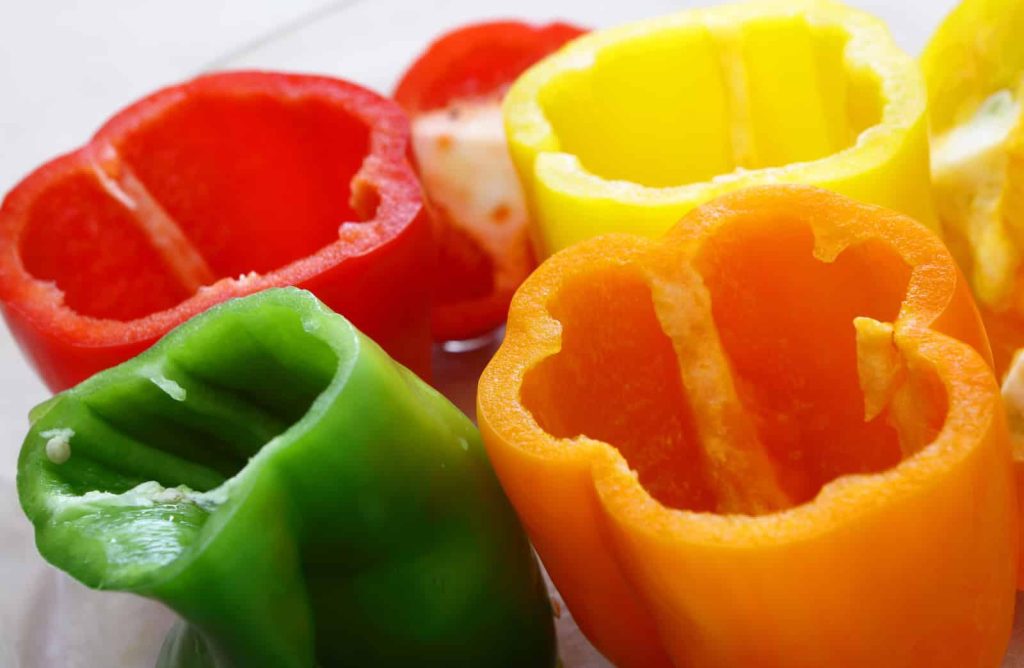
Mild chili peppers are especially well suited for stuffing because they provide structure and flavor without adding excessive heat.
Peppers used for stuffing typically:
- Have thicker walls that hold their shape when cooked
- Offer mild sweetness or earthiness that pairs well with fillings
- Remain pleasant even when eaten in large portions
Stuffed mild chili peppers are commonly filled with ingredients such as rice, cheese, vegetables, or ground meat and then baked or roasted. Because heat is minimal, the focus stays on the filling and overall flavor balance rather than spiciness.
Best for sauces & salsa
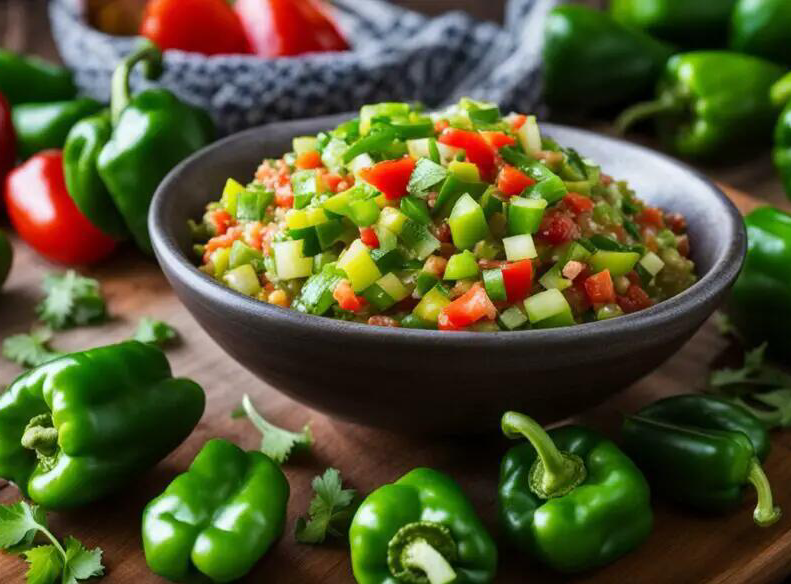
Mild chili peppers are frequently used in sauces and salsas where flavor complexity matters more than heat intensity.
They work well in these applications because they:
- Add body and aroma without making sauces overly spicy
- Blend smoothly when roasted or cooked
- Allow other ingredients, such as tomatoes, herbs, and spices, to stand out
Mild peppers are often roasted, peeled, and blended into sauces, or finely chopped for fresh salsas. This makes them ideal for recipes intended for a wide audience, including those who prefer low-heat foods.
By understanding how mild chili peppers function in different cooking scenarios, you can confidently choose the right pepper for your dish—whether you want structure for stuffing, flavor for sauces, or a gentle alternative to bell peppers.
Common Mistakes When Choosing Mild Chili Peppers
Even when labeled as “mild,” chili peppers are often misunderstood. These common mistakes can lead to unexpected heat, unbalanced dishes, or disappointing flavor. Understanding what doesn’t determine spiciness is just as important as knowing what does.
Size ≠ Heat level
A common mistake is assuming that larger peppers are milder and smaller peppers are hotter. Pepper size, however, has no reliable correlation with heat level.
Heat is determined by:
- The pepper variety
- Genetic factors
- Growing conditions
Large peppers can still contain noticeable heat, while small peppers may be extremely mild. Relying on size alone often leads to incorrect expectations.
Color ≠ Ripeness ≠ Spiciness
Color is often misunderstood as an indicator of heat. While color can reflect ripeness, it does not directly indicate spiciness.
Key distinctions to remember:
- Ripeness affects sweetness and flavor depth
- Color changes do not reliably predict heat level
- The same pepper variety can be mild at different color stages
A red pepper is not automatically hotter than a green one, and color alone should not be used to judge spiciness.
By avoiding these common assumptions, you can choose mild chili peppers more confidently and achieve better results in cooking. Understanding how heat actually works helps ensure that flavor—not unexpected spiciness—remains the focus of your dish.
How to Select and Store Mild Chili Peppers
Choosing fresh mild chili peppers and storing them properly helps preserve their flavor, texture, and mild heat. Simple handling practices can make a noticeable difference in both taste and shelf life.
Selecting fresh mild peppers
When selecting mild chili peppers, focus on overall quality rather than size or color alone.
Fresh mild peppers typically:
- Have smooth, firm skin without wrinkles
- Feel heavy for their size, indicating good moisture content
- Show bright, even color appropriate for the variety
Avoid peppers that appear soft, shriveled, or have dark spots, as these signs indicate age or poor storage. A fresh pepper should feel crisp and resilient when gently pressed.
Storage & preservation tips
Proper storage helps mild chili peppers retain their flavor while preventing spoilage.
For short-term storage:
- Keep fresh mild peppers in the refrigerator
- Store them in a breathable produce bag or loosely wrapped paper towel
- Avoid washing until just before use to reduce moisture buildup
For longer preservation:
- Mild chili peppers can be sliced and frozen for later use
- Roasting and freezing is an effective way to preserve flavor
- Dried mild peppers should be stored in an airtight container away from heat and light
With correct storage, mild chili peppers can remain usable for several days fresh, or several months when frozen or dried
Selecting and storing mild chili peppers properly ensures that their mild heat and flavor are preserved, allowing them to perform as intended in a wide range of dishes.
Leave a Reply